
The 5 Best Space-themed Slot Games You Can Find in Canada

Space themed Slot Games

If you are hunting for a fun cosmic spin session and also want a quick way to compare where Canadians can play, the best slot sites are found here. Now, let’s jump into five space-themed slots that bring the galaxies to your screen, with colorful visuals, punchy features, and that classic “one more spin” energy.

1. Starburst (NetEnt), the space classic that never gets old

Starburst is basically the poster child for space-themed slots. It’s bright, simple to understand, and has a smooth flow that makes it easy to play for a long session. The starry gem visuals are clean and iconic, and the expanding wilds can keep things lively without making the game feel complicated. If you want a space slot that is pure comfort food, this is the one.

2. Reactoonz (Play’n GO), aliens, chaos, and chain reactions

Reactoonz leans into the quirky side of sci-fi with cartoon aliens and a grid layout that feels different from traditional reels. Instead of standard paylines, you’re looking at cluster-style wins and cascading action. It’s the kind of game that can turn into a full-on light show when the board starts popping, especially when the special modes kick in.

3. Space Spins (Wazdan), a modern space ride with feature potential

Space Spins has that sleek “modern sci-fi” vibe and tends to appeal to players who like feature-driven gameplay. Between bonus triggers and wild behavior, it can feel like you are building momentum rather than just watching reels go by. If you want a space theme that feels current and energetic, this one is worth a spot on your shortlist.

4. Cygnus (ELK Studios), for players who like volatility and big moments

Cygnus is more of a series than a single title, and it’s known for a moodier space atmosphere and gameplay that can swing harder. These games are often a better fit if you enjoy chasing larger outcomes and do not mind quieter stretches between exciting hits. The visuals are cosmic and dramatic, and the overall feel is more “deep space mission” than “cute aliens.”

5. Space Invaders Slot, arcade nostalgia in outer space

If you like that retro arcade vibe, Space Invaders-themed slots scratch a very specific itch. The fun here is the recognizable style and the playful, throwback energy. It’s a good pick when you want a theme that feels like a classic game night, just with reels and bonuses layered in.

How to pick the right space slot for your mood

If you want something simple and instantly satisfying, go for Starburst. If you want visual chaos and chain reactions, Reactoonz is the move. If you like feature momentum and modern presentation, Space Spins fits nicely. If you enjoy high-volatility thrills, Cygnus is the more intense option. If you are in the mood for nostalgia, Space Invaders is a fun detour.

Final thoughts

Space-themed slots are popular for a reason, they give developers an excuse to go wild with colors, animations, and creative bonus ideas. Whether you want a smooth, relaxing spin or a full cosmic fireworks show, these five games cover a nice range of vibes for players in Canada.
From Space to Screen: Satellites in Alberta’s Live Casino Streaming


The seamless streaming of live casino games to players across Alberta relies on a sophisticated global infrastructure that extends far beyond terrestrial internet connections. While most Canadians access the best online casinos Alberta through fiber optic cables and cellular networks, satellite technology plays a crucial behind-the-scenes role in ensuring uninterrupted connectivity, particularly in remote areas where traditional infrastructure is limited or unavailable. This convergence of space technology and entertainment represents one of the most fascinating intersections of modern telecommunications.

The Satellite Infrastructure Behind Online Gaming

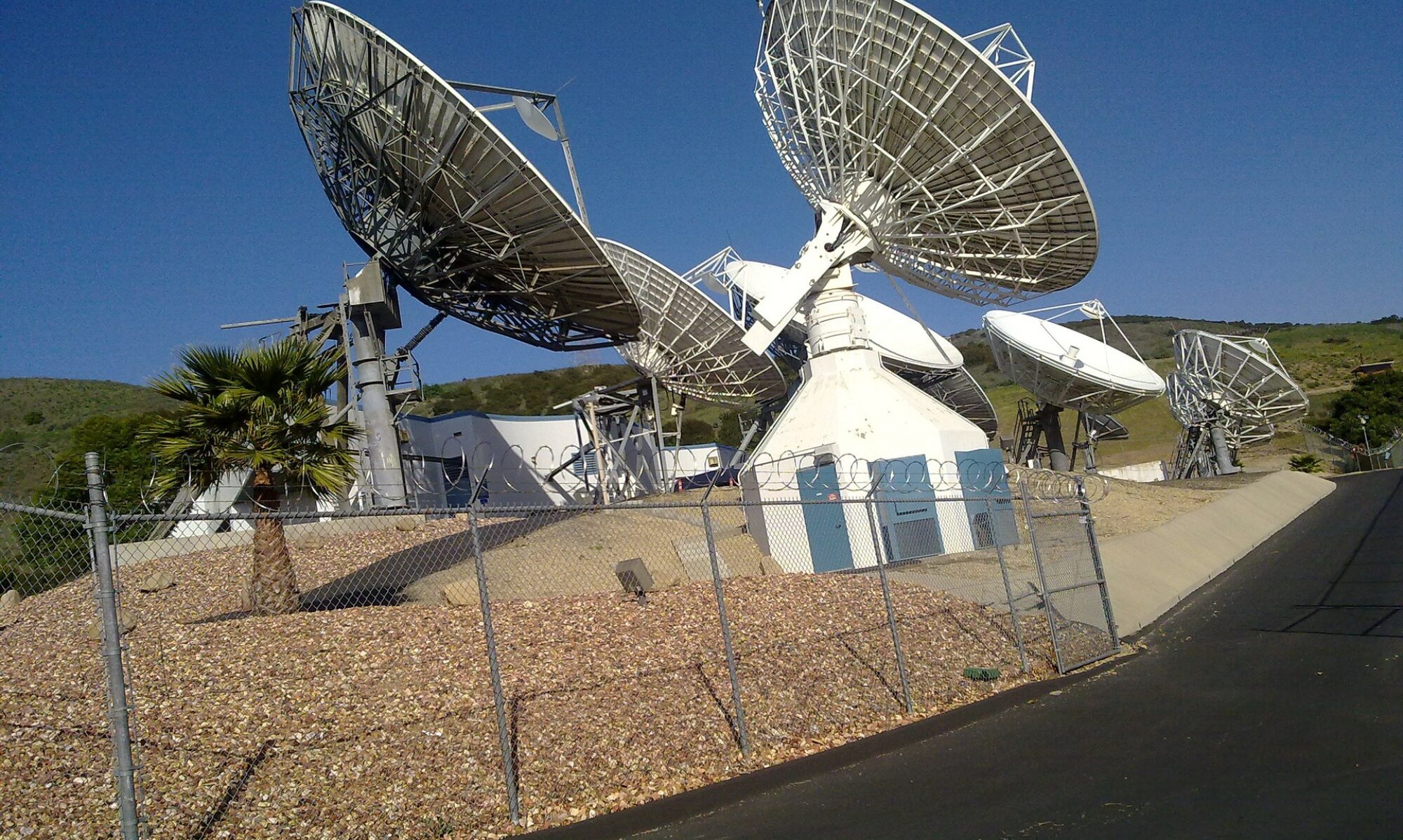
Alberta’s vast geography presents unique connectivity challenges. While urban centers like Calgary and Edmonton enjoy robust fiber optic networks, rural and remote communities often depend on satellite internet to access online services, including live casino streaming. Modern communications satellites orbiting thousands of kilometers above Earth enable these connections, bridging the digital divide that would otherwise exclude significant portions of the province from participating in online entertainment. Geostationary satellites positioned approximately 35,786 kilometers above the equator maintain fixed positions relative to Earth’s surface, providing consistent coverage to specific geographic regions. These satellites receive signals from ground stations, amplify them, and retransmit them to users’ satellite dishes, creating a relay system that enables internet connectivity where cables cannot reach.

Global Satellite Networks Enabling Connectivity

The European Space Agency’s contributions to satellite technology have been instrumental in advancing global communications infrastructure. As detailed in satellite data of the ESA, European satellite programs have pioneered technologies that improve signal quality, reduce latency, and increase bandwidth capacity—all critical factors for live streaming applications like casino games. Similarly, developments in navigation and communications from other space programs have global implications. The milestone described in China launches last BeiDou satellite represents the completion of a positioning system that enhances location-based services worldwide, including geolocation verification for online gaming platforms that must confirm users are within legal jurisdictions.

Low-Latency Requirements for Live Gaming

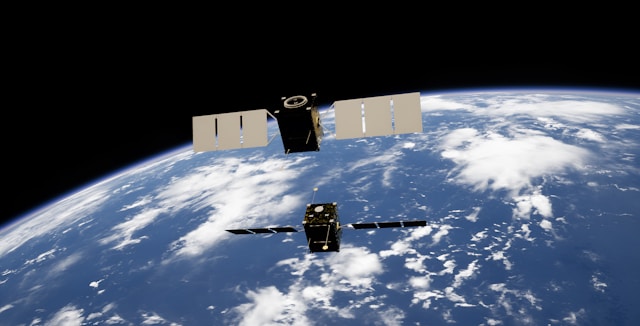
Live casino streaming presents particular technical challenges due to its interactive nature. Unlike passive video streaming where minor delays go unnoticed, live casino games require near-real-time interaction between players and dealers. Traditional geostationary satellites introduce latency of 500-700 milliseconds due to the vast distances signals must travel, which can create noticeable delays in gameplay. This latency challenge has driven innovation in satellite internet technology. Low Earth Orbit (LEO) satellite constellations, positioned between 500-2,000 kilometers above Earth, dramatically reduce signal travel time. According to Bipartisan Policy Center’s analysis of LEO satellites, these next-generation systems are transforming connectivity options for rural Canadians, including those in Alberta’s more remote regions.

Bandwidth and Data Transmission

Live casino streaming requires substantial bandwidt h to deliver high-definition video feeds of dealers, gaming tables, and real-time game outcomes. A single HD video stream can consume 3-5 Mbps, while multiple camera angles and interactive features push requirements even higher. Modern satellite systems must provide sufficient bandwidth not just for download speeds but also for upload capabilities that enable player interaction. Ka-band and Ku-band satellites offer higher frequencies and greater bandwidth capacity than older systems, making them better suited for data-intensive applications. These frequency bands allow satellite internet providers to offer packages with speeds comparable to traditional broadband connections, making live casino streaming feasible even in areas without cable or fiber infrastructure.

Hybrid Systems and Network Redundancy

Professional online casino operators rarely rely on a single connectivity method. Instead, they implement hybrid systems that combine multiple connection types to ensure reliability. A player in rural Alberta might primarily use terrestrial internet but have satellite backup connectivity that seamlessly takes over if the primary connection fails. This redundancy is essential for maintaining the continuous streams that live casino games require. On the backend, casino streaming studios often employ multiple satellite uplinks alongside fiber connections to broadcast their live feeds to global content delivery networks. This multi-path approach ensures that technical issues with any single connection don’t interrupt service to players.

Geolocation and Regulatory Compliance

Satellite technology also plays a role in regulatory compliance for online gaming. GPS and other satellite navigation systems help operators verify that players are physically located within jurisdictions where online gaming is legal. This geofencing technology must be precise and reliable, as operators face significant penalties for allowing access from prohibited locations. Alberta’s regulatory framework requires operators to confirm player locations before allowing real-money gaming. Satellite positioning data, combined with IP address analysis and other verification methods, creates a multi-layered approach to ensuring compliance with provincial gaming regulations.

The Future of Satellite Gaming Connectivity

Emerging satellite internet constellations promise to further improve online gaming experiences in Alberta’s remote areas. With latency approaching that of terrestrial connections and bandwidth sufficient for multiple simultaneous HD streams, the gap between urban and rural connectivity continues to narrow. These technological advances have broader implications beyond entertainment. Improved satellite connectivity supports telemedicine, remote education, and business operations in rural communities, with online gaming serving as one of many applications benefiting from space-based infrastructure.

From Orbit to Entertainment

The journey of data from space to screen represents a remarkable technological achievement. When an Alberta player places a bet on a live roulette table, their interaction may travel through satellite dishes, ground stations, undersea cables, and data centers spanning multiple continents before returning a result in milliseconds. This invisible infrastructure makes seamless entertainment possible regardless of a player’s location within the province. As satellite technology continues advancing and Alberta’s online gaming market matures, the synergy between space-based communications and digital entertainment will only deepen, ensuring that geographic location becomes increasingly irrelevant to accessing world-class gaming experiences.

Satellite data of the Esa


Internet platform shows Corona from space

Fewer pollutants, orphaned factories, hardly any shipping traffic: the effects of the corona crisis are even visible on satellite images. A new dashboard compiles them.

The corona pandemic brought public life to a standstill from mid-March onwards: many people no longer commuted to work, played in a Pasino.ch or industrial production was shut down, and aircraft remained on the ground. The social and economic changes were great – and they will continue to have an impact for a long time to come.

In fact, the magnitude of the corona crisis is so enormous that it can even be seen from space. The European Space Agency Esa and the European Commission have therefore set up a new Internet platform with data from Earth observation. The project called “Rapid Action Coronavirus Earth Observation” (Race) uses, among other things, satellite images from the Copernicus Earth Observation Programme and provides information on environmental pollution, economic activity or traffic.

Asparagus harvest can also be analysed
“I hope that the program will continue after Covid-19 and that we will add new data,” said Josef Aschbacher, head of the Esa’s Earth observation program. The aim is to expand the programme, which is currently limited to Europe, on a global scale. Some of the data collected would be analysed using artificial intelligence.

For example, the race platform will make it possible to track activity during the asparagus harvest in Brandenburg. The current data was compared with the 2019 season to assess the impact of Covid-19 on current asparagus production. Earth observation can also help to monitor the raw materials markets. For example, sentinel satellites monitor the activity of ships, which are the main means of transporting raw materials, around the port of Hamburg.

Internet platform shows Corona from space

Fewer pollutants, orphaned factories, hardly any shipping traffic: the effects of the corona crisis are even visible on satellite images. A new dashboard compiles them.

The corona pandemic brought public life to a standstill from mid-March onwards: many people no longer commuted to work, industrial production was shut down, and aircraft remained on the ground. The social and economic changes were great – and they will continue to have an impact for a long time to come.

In fact, the magnitude of the corona crisis is so enormous that it can even be seen from space. The European Space Agency Esa and the European Commission have therefore set up a new Internet platform with data from Earth observation. The project called “Rapid Action Coronavirus Earth Observation” (Race) uses, among other things, satellite images from the Copernicus Earth Observation Programme and provides information on environmental pollution, economic activity or traffic.

Asparagus harvest can also be analysed
“I hope that the program will continue after Covid-19 and that we will add new data,” said Josef Aschbacher, head of the Esa’s Earth observation program. The aim is to expand the programme, which is currently limited to Europe, on a global scale. Some of the data collected would be analysed using artificial intelligence.

For example, the race platform will make it possible to track activity during the asparagus harvest in Brandenburg. The current data was compared with the 2019 season to assess the impact of Covid-19 on current asparagus production. Earth observation can also help to monitor the raw materials markets. For example, sentinel satellites monitor the activity of ships, which are the main means of transporting raw materials, around the port of Hamburg.

Environmental information is also available to everyone. During the wedding of the exit restrictions, satellite images from Copernicus Sentinel-5 showed a decrease in air pollution in large cities such as Rome or Paris. “Immediately after the end of the restrictions, pollution increased again,” Aschbacher said. In the central Chinese metropolis of Wuhan, where the virus was first discovered in December, the pollution is now even soon back at the level before Corona.


China launches last Beidou satellite

The Chinese navigation program Beidou is worth ten billion dollars and comprises 35 satellites. The last one has now been launched into space – and could compete with the US GPS system.

China has completed its satellite-based navigation network “Beidou”. With the launch of the last satellite, the global system was completed. At the head of a Long March 3B rocket, the satellite was launched from the Xichang spaceport in southwest China and reached earth orbit.

Continue reading “China launches last Beidou satellite”